
Understanding Outdoor Event Power Planning
When you organize a tent celebration in Jefferson, Jackson County, the success of the event often hinges on having a reliable power source that can support lighting, sound systems, catering equipment, and any bounce‑house blowers you may choose. Outdoor event power planning begins with a clear picture of what devices will run simultaneously, how long they need to stay on, and where the power source will sit relative to the tent and guest areas. By taking into account the specific layout of backyards off Old Pendergrass Road, the open spaces near Traditions of Braselton, and the residential streets surrounding Jefferson High School, you can map out cable runs that avoid tripping hazards while keeping the generator at a safe distance from the gathering. This upfront analysis helps prevent interruptions and ensures that every element of your celebration receives the electricity it needs to function smoothly throughout the event.
A solid power plan breaks down into three core elements: the generator that creates electricity, the cables and distribution system that move it to where it’s needed, and the lighting fixtures that shape the atmosphere inside and around the tent. Each element must be sized according to the total wattage of the equipment you intend to operate, with a safety margin that accommodates unexpected surges or additional devices that guests might bring. In Jefferson’s suburban environment, where many homes have limited outdoor outlets, bringing in a properly rated generator eliminates reliance on household circuits that could trip under load. Meanwhile, selecting the correct gauge of extension cord and using protective covers for cables laid across grass or driveways keeps the setup both efficient and compliant with local safety guidelines. By addressing generator output, cable quality, and lighting layout in tandem, you create a cohesive power infrastructure that supports everything from soft ambient glows to high‑energy dance‑floor lighting without overloading any single component.
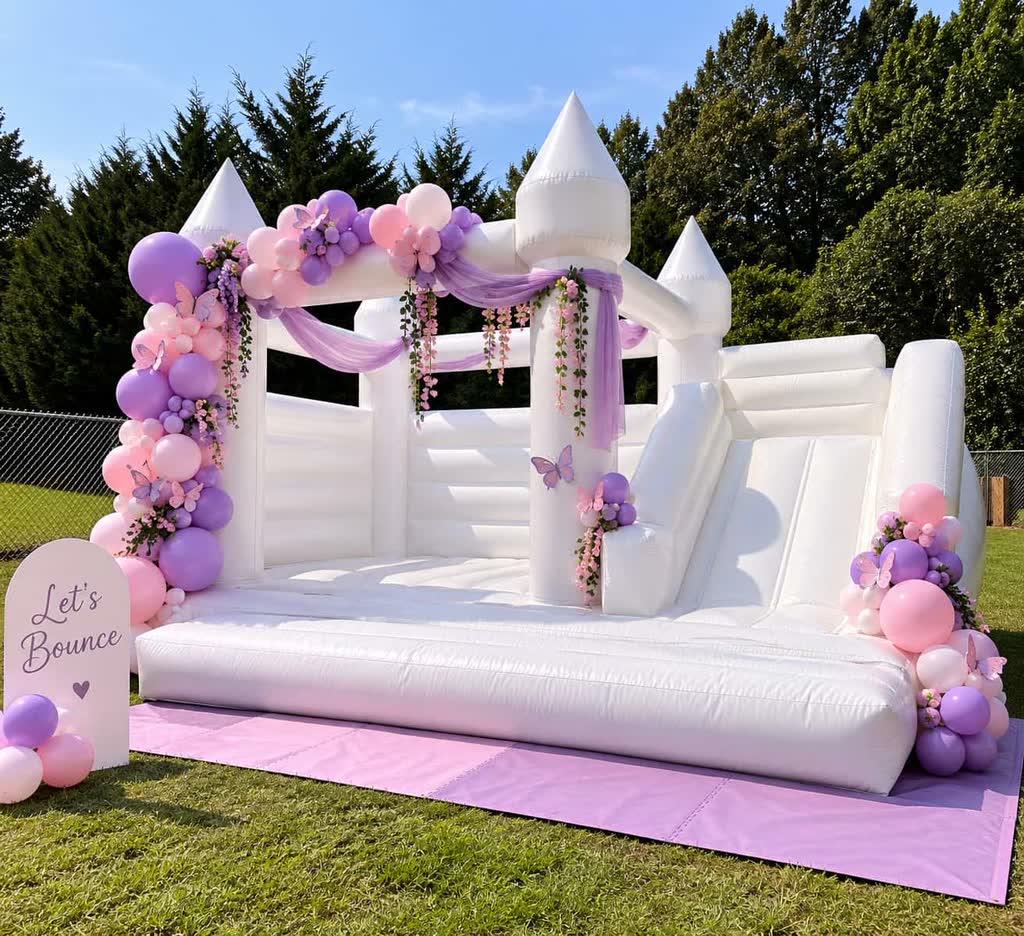
Assessing Your Power Needs
Start by listing every piece of equipment that will require electricity during your event. Common items include LED tent lighting strings (about 5 W per foot), bistro lighting (roughly 3 W per foot), a professional sound system for up to 300 guests (approximately 300 W to 500 W depending on speaker count), catering warmers or chafing dishes (each around 800 W to 1 200 W), a blower for a bounce house (typically 1 200 W to 1 500 W), and any additional accessories such as a popcorn machine or a coffee brewer. For a guest count of 100, a modest lighting scheme might use 200 W of LED tent lights and 150 W of bistro strings, while a sound system aimed at clear speech and music could consume 400 W. Add the warmers (two units at 1 000 W each) and a bounce‑house blower (1 300 W) and you reach roughly 4 000 W before any safety buffer.
After summing the base wattage, apply a margin of at least 20 percent to cover startup surges and the possibility of extra devices brought by guests. This adjusted figure becomes the minimum continuous output your generator should provide. For the example above, 4 000 W plus 20 % equals 4 800 W, suggesting a generator rated at 5 kW or higher would be appropriate. If you anticipate a larger crowd, say 180 guests, simply scale the lighting and sound components proportionally and repeat the calculation. Keeping a simple spreadsheet or checklist makes it easy to adjust numbers as your plans evolve, ensuring the power source never becomes a bottleneck during the celebration.
Choosing the Right Generator
Generators come in two main families: conventional models that produce AC power directly and inverter models that first create AC, convert it to DC, and then invert it back to clean AC. Inverter units are generally quieter, produce smoother voltage suitable for sensitive electronics, and are more fuel‑efficient at partial loads, making them a popular choice for events where sound quality and low noise matter. Conventional generators often deliver higher peak wattage for a lower upfront cost and can handle heavy, constant loads such as multiple catering warmers running simultaneously. Consider fuel type as well; gasoline models are common and easy to refill, while propane units offer longer storage life and cleaner emissions, which can be advantageous in residential neighborhoods.
Match the generator’s rated continuous wattage to the adjusted load you calculated in the previous step, remembering to leave room for any additional devices that might be added on the day of the event. Place the generator on a level, non‑flammable surface at least 10 feet away from the tent walls and any open flames, with the exhaust pointed away from guest areas to avoid carbon monoxide buildup. Use a sturdy, outdoor‑rated extension cord or a power distribution box to connect the generator to your cable run, and always operate the unit with a fresh supply of fuel and proper ventilation. Checking the oil level and performing a quick test run before guests arrive helps confirm that the generator will stay stable throughout the celebration.
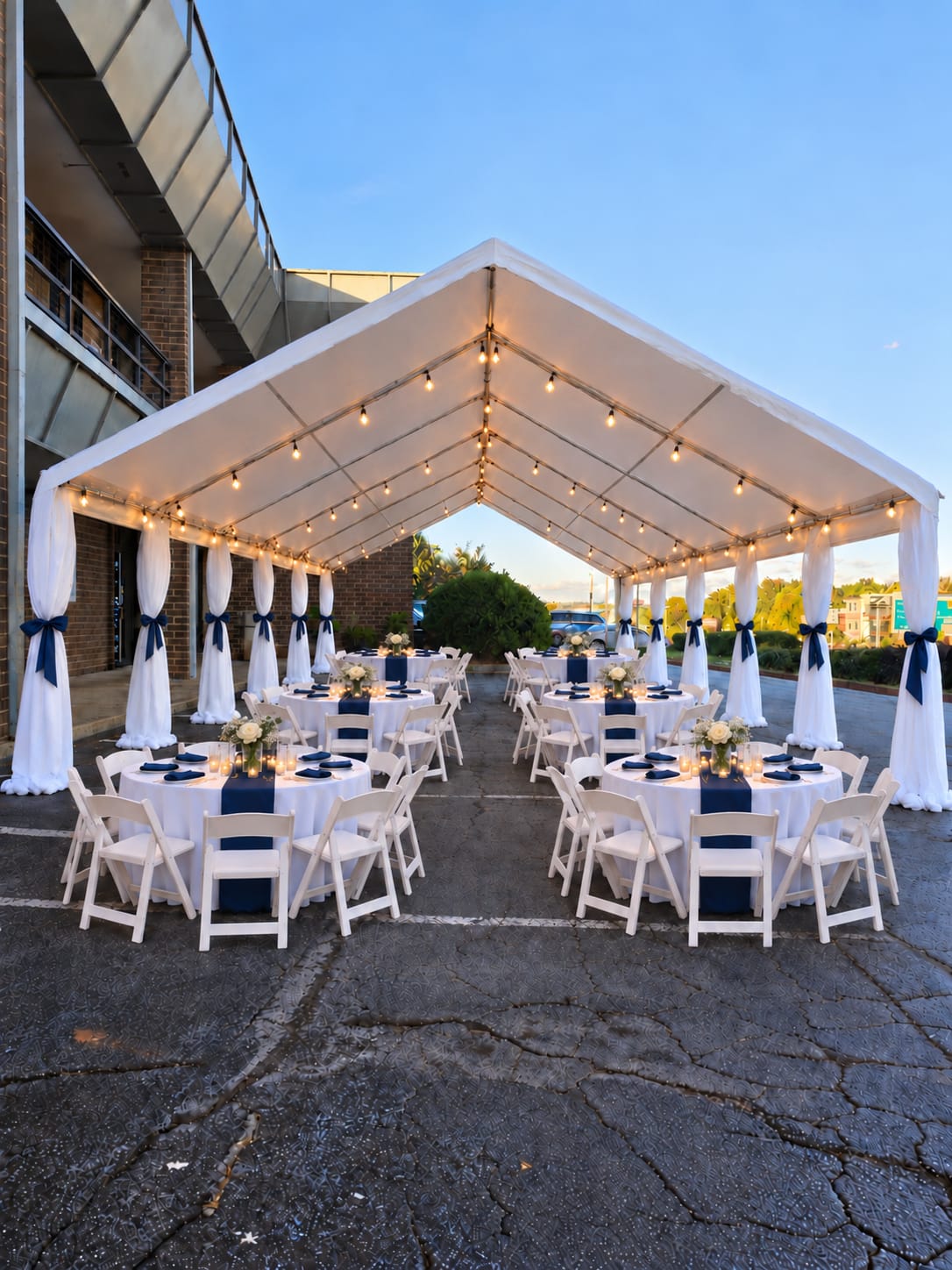
Selecting Cables and Distribution
Choosing the correct cable gauge is essential to prevent voltage drop, especially when running power over distances longer than 50 feet. For loads up to 2 000 W, a 12‑gauge outdoor‑rated extension cord is usually sufficient; for higher loads or longer runs, step up to 10‑gauge or even 8‑gauge cord to keep resistance low. All cords should be marked for outdoor use, have a thick insulation jacket, and include a grounded plug. Using a power distribution box or a heavy‑duty power strip with built‑in circuit breakers lets you split the generator’s output into multiple circuits, each protected individually, which adds safety and makes troubleshooting easier if a single device draws too much current.
When laying cables across grass, driveways, or walkways, protect them with heavy‑duty cable covers or ramps that prevent tripping and shield the cords from sharp objects or lawn equipment. Secure the covers with stakes or sandbags to keep them from shifting during the event. Keep cords away from water sources such as sprinklers or low‑lying areas where puddles may form, and always use a ground‑fault circuit interrupter (GFCI) at the generator end or on the distribution box to cut power instantly if a fault is detected. Label each circuit at the distribution box according to the equipment it serves (e.g., “Lighting‑North”, “Sound‑East”, “Bounce‑House”) so that anyone assisting with setup can quickly identify and adjust connections.
Lighting Options for Tent Events
LED tent lighting is a popular choice because it provides bright, even illumination while drawing relatively little power—often just a few watts per foot. These fixtures can be mounted along the interior frame of the tent or hung from the center poles to create a wash of light that makes the space feel open and welcoming. Bistro strings, on the other hand, are decorative strands of small bulbs draped above tables or along the perimeter; they consume minimal electricity but add a warm, festive glow that works well for evening events. Uplighting fixtures placed at the base of the tent walls can wash the interior with color, and chandeliers or lanterns suspended from the center offer a focal point that draws the eye upward.
When planning your lighting layout, divide the space into zones: ambient lighting for general visibility, task lighting over food stations or serving tables, and accent lighting to highlight décor elements such as a welcome mirror or a photo backdrop. Using dimmable controllers or smart plugs lets you adjust brightness levels throughout the event, reducing power draw during quieter moments and increasing it for dancing or speeches. If you anticipate a long event, consider battery‑backed LED strips or portable power banks for critical lights, ensuring that essential illumination remains available even if the generator experiences a brief hiccup. Balancing aesthetic goals with the generator’s capacity keeps the celebration both beautiful and reliably powered.
Yard Preparation and Timeline in Jefferson
Begin by measuring the exact dimensions of the backyard where the tent will sit, noting any slopes, trees, or permanent structures that could affect generator placement or cable routing. Mark a flat, debris‑free zone at least 15 feet from the house foundation and any low‑lying areas that might collect water. Verify that there are no underground utilities in the chosen spot by contacting the local locate service before driving stakes or placing ground mats. In Jefferson, many properties off Old Pendergrass Road have generous lawn space that can accommodate a 20 × 30 foot tent with a generator positioned on the side near the driveway, allowing easy access for the delivery truck that will travel the short 10‑minute route from our Pendergrass warehouse.
On the day before the event, have the delivery team drop off the tent, tables, chairs, and any rented equipment. The morning of the celebration, start by positioning the generator on the prepared pad, connecting it to the fuel source, and performing a brief test run to confirm steady output. Next, lay out the main power cable from the generator to the distribution box, securing it with covers as you go. Once the distribution box is in place, run subsidiary cables to the lighting fixtures, sound system, and catering warmers, checking each connection for tightness. After the tent is raised and anchored, install the lighting according to your pre‑planned layout, then conduct a final walkthrough with the client to verify that all areas are lit, the sound is clear, and any bounce‑house blowers have sufficient power. This step‑by‑step approach keeps the setup efficient and leaves ample time for any last‑minute adjustments.
Rain Plan and Safety Considerations
Even with a forecast calling for clear skies, it is wise to prepare for sudden showers that could affect both the tent and the power equipment. Sidewalls made of waterproof fabric can be attached to the tent frame to keep rain off the interior while still allowing airflow; they also help shield the generator and cable connections from direct water exposure. Place the generator on a raised platform or pallet to keep its base dry, and ensure that any cords running to the tent are covered with waterproof-rated sleeves or positioned inside conduit where possible. Using a ground‑fault circuit interrupter at the power source adds an extra layer of protection, automatically cutting electricity if water creates a short circuit.
Monitor local weather updates throughout the day, and have a clear plan for postponing or relocating the event if conditions become unsafe—such as sustained winds above 20 mph or lightning detected within a 10‑mile radius. Keep the tent’s drainage pathways clear by ensuring the ground slopes slightly away from the setup area, and avoid placing any electrical equipment in depressions where water could accumulate. Finally, maintain a safe distance between open flames, such as those from a taquiza grill, and any electrical cords or the generator itself, and always have a fire extinguisher readily available. By addressing these safety measures in advance, you help ensure that the celebration proceeds smoothly, regardless of what the sky decides to do.
Frequently asked questions
What size generator do I need for a 150‑guest tent party in Jefferson?
For a gathering of about 150 guests, calculate the combined wattage of lighting (approximately 5 W per fixture), sound system (around 300 W), catering warmers (about 1 000 W each), and any bounce‑house blower (roughly 1 200 W). Add a 20 % safety margin; a generator rated between 8 kW and 10 kW typically covers this load while allowing a few extra devices.