
Why Ground Protection Matters for Outdoor Events
When you host a party, wedding, or quinceañera in Jefferson, the grass underneath your tent and furniture can suffer from compaction, tearing, and staining. Proper ground protection distributes weight evenly, preventing ruts that can linger for weeks after the event. This is especially important in Jackson County where many homes have Bermuda or zoysia lawns that are sensitive to heavy foot traffic and equipment. By laying down a protective layer, you keep the turf healthy and avoid costly reseeding or sod replacement later.
Ground protection also enhances safety for guests. A stable surface reduces the chance of tripping over uneven ground or slipping on wet grass, which is crucial when children are running around bounce houses or elders are walking to the buffet. In Jefferson’s warm climate, sudden afternoon showers can turn soft soil into mud; a protective barrier keeps footing firm and maintains the comfort of your event. Investing in the right protection shows respect for both your property and your guests’ experience.
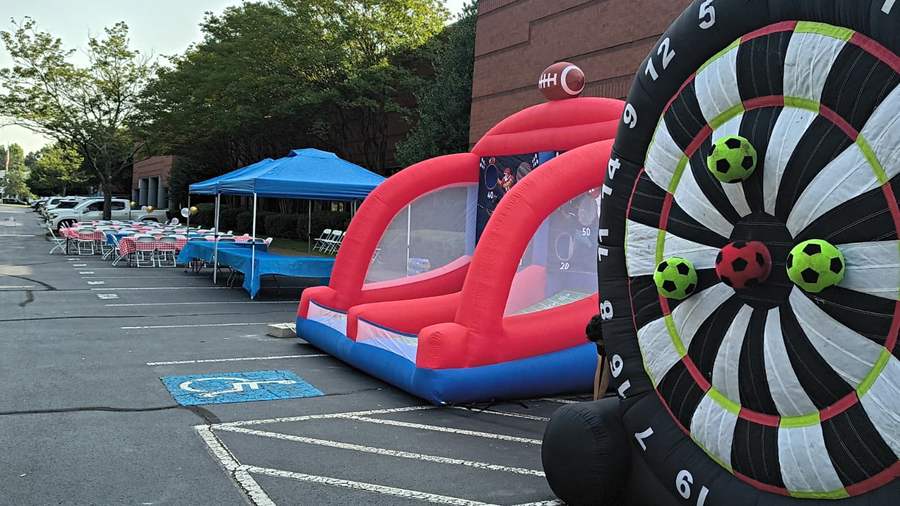
Assessing Your Jefferson Backyard for Tent Installation
Start by measuring the exact footprint of the tent you plan to use. For example, a 20×30 ft tent covers 600 sq ft, which translates to roughly 48‑60 seated guests depending on layout. Walk the area and note any slopes, low spots, or tree roots that could create uneven pressure. Jefferson backyards off Old Pendergrass Road often have gentle grades; marking these with spray chalk helps you see where extra padding may be needed. Also check for underground utilities or irrigation lines that could be damaged by stakes or weight.
Next, evaluate the soil condition. After a dry spell, the ground may be firm enough to support weight without extra protection, but after rain it can become soft. Use a simple probe: if a screwdriver sinks more than an inch, consider adding a protective layer. In neighborhoods around Jefferson High School, lawns are typically well‑maintained, but heavy use from multiple events can still cause stress. Taking these measurements and observations ensures you choose the right amount and type of ground protection for your specific site.
Ground Protection Options: Mats, Plywood, and Interlocking Tiles
Heavy‑duty ground protection mats are made from recycled polyethylene and interlock to form a continuous sheet. They are lightweight, easy to transport, and provide a non‑slip surface that works well under tents, tables, and chairs. For a 20×40 ft area you would need about eighty 4×4 ft mats, which snap together quickly and can be reused for many events. These mats are ideal for Jefferson lawns because they allow water to drain while still distributing the load of heavy equipment.
Another common choice is exterior‑grade plywood, typically ¾‑inch thick, laid in overlapping sheets. Plywood offers a rigid surface that prevents point loads from tents stakes or chair legs from punching into the soil. When using plywood, place a layer of landscape fabric underneath to separate the wood from the grass and reduce moisture retention. Interlocking plastic tiles, similar to those used for temporary flooring, provide a middle ground: they are lighter than plywood but still offer solid support and can be cut to fit irregular shapes around trees or garden beds.
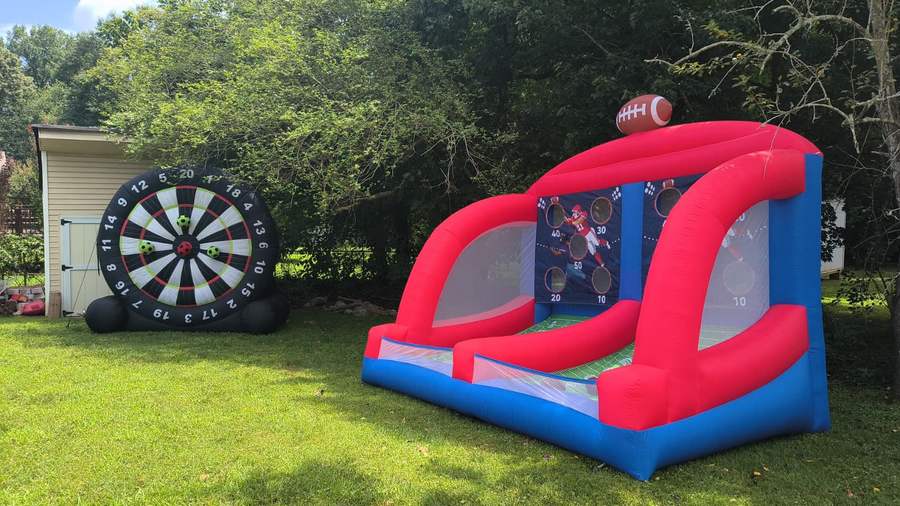
Installing Protection Under Tables, Chairs, and Bounce Houses
For tables and chairs, start by laying the ground protection material exactly where each piece will sit. A standard 6‑foot round table accommodates up to ten guests, so you’ll need a protected zone of at least 8 ft in diameter to allow for chair movement. Position the chairs so their legs rest on the protected surface; this prevents the legs from digging into the turf and keeps the chairs level. If you are using resin folding chairs, which weigh about nine pounds each, the distributed load is modest, but protection still avoids localized wear.
Bounce houses require special attention because of their dynamic load and the need for a blower. Place a sheet of ground protection mat or plywood extending at least three feet beyond the footprint of the unit on all sides. This gives the blower clearance and ensures that the stakes used to anchor the bounce house do not pull up grass. Remember to keep the blower on a dry, level surface and never place the bounce house directly under the tent; it should sit on open lawn beside the tent with adequate clearance for safe entry and exit.
Timeline and Preparation Steps for a Smooth Setup
Begin preparation at least two days before the event. On day‑one, mow the lawn to a height of about two inches; shorter grass reduces friction and makes it easier to lay protective materials evenly. Remove any debris such as sticks, leaves, or toys that could create bumps under the mats or plywood. On the morning of the event, sweep the area with a leaf blower to guarantee a clean surface. If you are using plywood, lay down the landscape fabric first, then position the sheets, overlapping edges by about six inches to prevent shifting.
After the protective layer is in place, proceed with tent installation. Anchor the tent using the appropriate stakes or weights for grass installations; DecoEvent ATL supplies the correct equipment for securing tents on lawns without damaging the turf. Once the tent is up, arrange tables, chairs, and any additional rentals on top of the protected surface. Conduct a quick walk‑through to ensure everything sits level and that there are no gaps between protection pieces where grass could be exposed. This systematic approach keeps setup time efficient and minimizes last‑minute adjustments.
Rain Plan and Weather Considerations for Ground Protection
Jefferson’s climate can bring sudden thunderstorms, especially in the spring and summer months. If rain is forecast, consider adding sidewalls to your tent to keep the interior dry and reduce water pooling on the ground protection layer. Sidewalls also help deflect wind, which can otherwise lift loose mats or tiles. Ensure that any ground protection material you choose allows water to drain; polyethylene mats and perforated plywood prevent standing water that could otherwise saturate the soil underneath.
In the event of heavy rain that makes the ground soggy, you may need to adjust the protective layer. Adding an extra sheet of mats or a thicker layer of plywood increases load distribution and reduces the risk of sinking. Keep a spare set of materials on hand so you can reinforce weak spots quickly. Always monitor the blower for bounce houses; if the ground becomes too soft, reposition the unit to a firmer area or delay use until conditions improve. Having a clear rain plan protects both your lawn and the enjoyment of your guests.
Local Landmarks and Service Logistics from Pendergrass to Jefferson
DecoEvent ATL’s warehouse in Pendergrass is roughly a ten‑minute drive to most Jefferson neighborhoods, making same‑day delivery and setup convenient. When traveling via GA‑332, you’ll pass the Traditions of Braselton development, a useful reference point for timing your arrival. Backyards off Old Pendergrass Road are common service sites; knowing the exact cross‑street helps the crew navigate narrow residential streets without delay.
For events near Jefferson High School, the crew often uses the school’s main entrance as a staging point for loading equipment, then proceeds a short distance to the client’s residence. This reduces travel time on local roads and ensures timely setup. Remember to provide the exact address, including street number, ZIP code, and any gate codes, so the logistics team can confirm that the location lies within the forty‑mile radius and prepare the appropriate ground protection materials for your specific yard size and guest count.