
rain plan outdoor event georgia: Why You Need It
When you picture a summer gathering in the rolling hills of Jefferson, the image often includes sparkling lights, laughter spilling out of a backyard, and a gentle breeze swaying the oak trees. Yet the weather in Georgia has a habit of swapping sunshine for sudden showers, and an unprepared host can watch that perfect evening dissolve into a soggy scramble. That is why a solid rain plan outdoor event georgia is not just a nice‑to‑have checklist, but a cornerstone of a successful celebration. From protecting equipment to keeping guests comfortable, the plan acts as a safety net that lets you focus on the moments that matter, rather than scrambling for tarps at the last minute.
Our crew lives and breathes these scenarios, having set up dozens of celebrations just off Old Pendergrass Road and around the neighborhoods near Jefferson High School. We have seen everything from a sudden summer downpour that threatened a wedding ceremony to a gentle drizzle that could have been welcomed with a few well‑placed umbrellas. Each experience taught us that the best rain plan is rooted in early preparation, clear communication, and a deep understanding of the local terrain. In the sections that follow you will find a step‑by‑step walkthrough that blends local knowledge with timeless event‑planning principles, ensuring that rain becomes a backdrop rather than a headline.
Understanding Your Venue: Jefferson Backyards and Neighborhood Vibes
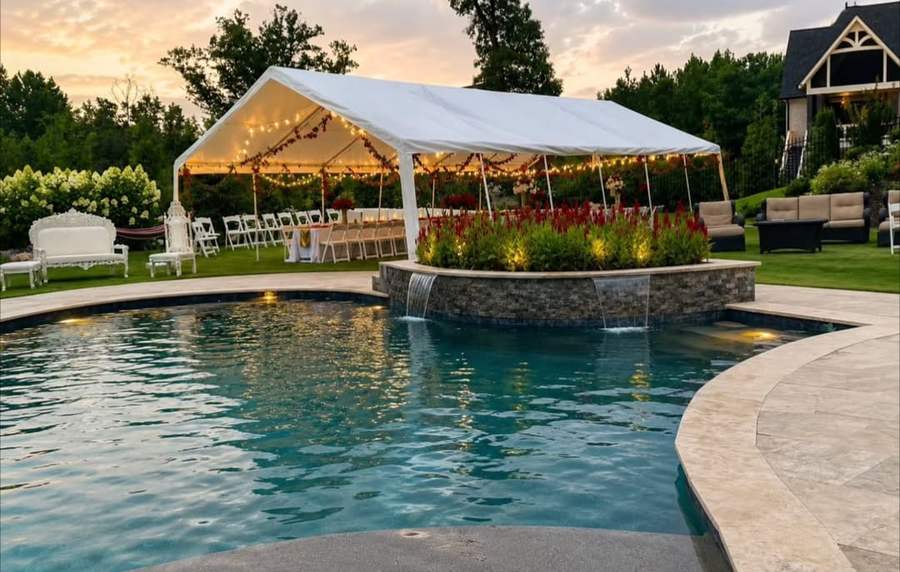
The backyards off Old Pendergrass Road offer a unique blend of open fields, mature trees, and gently sloping terrain that can be both a blessing and a challenge when rain arrives. The soil here tends to hold moisture well, which is excellent for lush green lawns but can become slippery if heavy water pools near walking paths. The key is to evaluate the natural drainage patterns before any equipment arrives. Look for low spots where water naturally collects, and consider elevating any high‑traffic zones with raised flooring or temporary platforms to keep guests steady.
Neighbourhoods surrounding Jefferson High School and the Traditions of Braselton community showcase a mix of older homes with mature shade trees and newer constructions with built‑in patio decks. These differing landscape features affect how you might position lighting, sound equipment, and catering stations. For example, the deep roots of mature oaks can provide sturdy anchor points for overhead lighting, while the open concrete patios offer dry ground that can serve as central hubs for food service. Understanding these nuances allows you to place essential elements in spots that stay dry, even when the sky opens up.
Guest Count Math Without Guesswork
Accurately estimating the number of attendees is essential for determining how much shelter, seating, and coverage you will need, yet many hosts rely on vague guesses that lead to either overcrowded spaces or unused resources. Start by reviewing your invitation list and noting the RSVP trends that have emerged. Pay attention to the ratio of adults to children, as children often require separate seating and may need extra protection from the elements. From this information you can create a clear picture of how many people will be moving between indoor and outdoor zones.
Next, translate those headcounts into spatial requirements. A comfortable gathering typically allocates enough room for each guest to move freely without bumping into furniture or other attendees. Think of the layout as a series of zones: dining, dancing, lounge, and shelter. For each zone, estimate the square footage needed per person and then add a modest buffer to accommodate any spontaneous additions, such as late‑arriving relatives or unexpected photo‑ops. This method eliminates the need for numeric guesswork while still providing a solid foundation for your rain‑ready layout.
Preparing the Yard for Rain Resilience
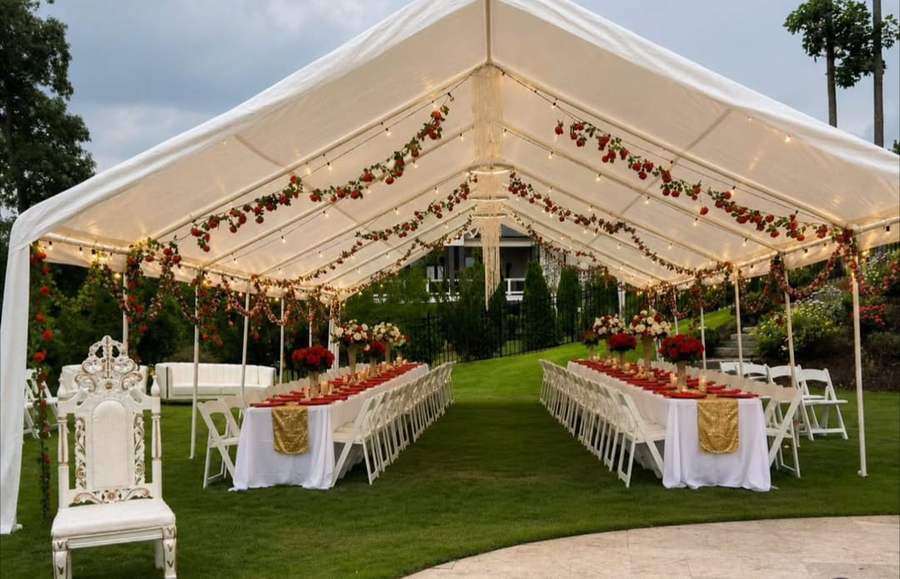
The first step in yard preparation is to create a series of dry pathways that guide guests safely from parking areas to the main gathering spots. Use temporary flooring systems such as interlocking tiles or sturdy plywood placed on existing ground to create elevated walkways. These surfaces not only keep shoes dry but also prevent mud from splashing onto tables and décor. When laying down these pathways, ensure they follow the natural slope of the land so water flows away rather than pooling beneath them.
Next, focus on shelter solutions that blend seamlessly with the venue’s aesthetic. Pop‑up canopies with waterproof canopies are a reliable choice, but for a more polished look consider renting clear dome structures that allow the sky to remain visible while keeping rain out. Anchor these structures securely using sandbags or ground stakes, especially in locations where mature trees provide natural windbreaks. Finally, add sidewalls or curtains that can be quickly drawn if a sudden gust threatens to lift the canopy, ensuring that the interior remains dry and comfortable throughout the event.
Timeline and Logistics: From Setup to Wrap‑Up
Begin the timeline with a thorough site walk the day before the event, allowing plenty of time to assess weather forecasts, confirm drainage plans, and mark the locations for each shelter and pathway. On the day of the celebration, start early with a crew that arrives well before the first guests, giving them ample opportunity to lay down flooring, erect canopies, and test all electrical connections under dry conditions. This early start also provides a buffer for any unexpected weather shifts that may require additional adjustments.
Once the ceremony or main activity begins, maintain a vigilant eye on the sky and have a designated “rain coordinator” who can act swiftly if conditions change. This person should have a checklist of extra supplies such as additional tarps, emergency lighting batteries, and waterproof signage. As the event winds down, the same crew that built the setup can efficiently disassemble structures while keeping guest areas tidy. By following a well‑structured timeline, you reduce stress, keep the celebration flowing, and ensure that every detail—from rain‑ready lighting to dry flooring—remains in perfect order.
Drive Logistics: Getting Your Crew and Supplies to Jefferson
The drive from our warehouse near Pendergrass to the Jefferson venues is short enough that you can anticipate arriving with a fresh mindset, yet it is still wise to plan for potential traffic on the main thoroughfares that connect the counties. Map out a route that avoids major intersections during peak travel times and consider using a secondary road that runs parallel to the primary highway, which often provides a smoother ride. Communicate this route to every driver, and provide a clear call‑out point near the venue where the crew can regroup before unloading.
When the truck pulls up to the backyard, position it on a level patch of ground that will not be affected by rain runoff. Use wheel chocks to prevent any movement during loading and unloading, and keep a set of rain‑proof covers on the truck bed for any equipment that may need extra protection during the short drive. A well‑planned arrival process reduces the chance of delays, ensuring that the crew can focus on transforming the yard into a dry, welcoming space for the celebration.
Communicating the Plan to Hosts and Guests
Transparency with the host and guests is the final piece that turns a solid rain plan into a seamless experience. Provide the host with a clear, written overview of the shelter locations, dry pathways, and any alternate indoor spaces that will be used if the rain intensifies. Include a simple map that highlights where guests can find umbrellas, coat racks, and sheltered seating. For guests, a brief announcement during the welcome speech and visible signage at entry points reinforce the plan without causing alarm.
During the event, keep the “rain coordinator” on standby to answer any questions and to direct guests to the appropriate shelter zones. If a brief shower passes, a quick verbal reminder that the canopies are ready and the floor is slip‑resistant helps maintain confidence and keeps the atmosphere lively. By keeping communication clear, courteous, and consistent, you ensure that everyone feels prepared, comfortable, and eager to enjoy the celebration, regardless of what the clouds decide to do.
Frequently asked questions
What should I do if rain starts suddenly?
Activate the rain coordinator, direct guests to pre‑marked shelter areas, and deploy any extra tarps or sidewalls already on standby.
How far in advance should I set up the rain‑ready flooring?
Begin early on the day of the event, allowing enough time to lay down pathways before guests arrive and to adjust for any unexpected moisture.
Can I keep outdoor lighting functional during a rainstorm?
Yes, use waterproof fixtures and secure them with proper grounding; test connections before the event begins.
What type of shelter works best for a backyard wedding?
Clear dome canopies provide protection while maintaining views of the sky, and they can be anchored with sandbags for added stability.
How do I inform guests about the rain plan without causing worry?
Include a brief note on invitations, display a simple map at the entrance, and make a short announcement during the welcome speech.
What should I pack for emergency rain supplies?
Bring extra tarps, waterproof signage, spare batteries for lighting, and a set of umbrellas to distribute as needed.
Frequently asked questions
What should I do if rain starts suddenly?
Activate the rain coordinator, direct guests to pre‑marked shelter areas, and deploy any extra tarps or sidewalls already on standby.
How far in advance should I set up the rain‑ready flooring?
Begin early on the day of the event, allowing enough time to lay down pathways before guests arrive and to adjust for any unexpected moisture.
Can I keep outdoor lighting functional during a rainstorm?
Yes, use waterproof fixtures and secure them with proper grounding; test connections before the event begins.
What type of shelter works best for a backyard wedding?
Clear dome canopies provide protection while maintaining views of the sky, and they can be anchored with sandbags for added stability.
How do I inform guests about the rain plan without causing worry?
Include a brief note on invitations, display a simple map at the entrance, and make a short announcement during the welcome speech.
What should I pack for emergency rain supplies?
Bring extra tarps, waterproof signage, spare batteries for lighting, and a set of umbrellas to distribute as needed.