
weather resilient tent event plan for Jefferson festivals
Jefferson experiences a mix of warm summers, occasional thunderstorms, and breezy fall evenings that can change quickly. When planning a festival tent event in the neighborhoods around Jefferson High School, along Old Pendergrass Road, or near Traditions of Braselton, a weather resilient tent event plan becomes essential to keep guests comfortable and the celebration on schedule. The plan starts with reviewing historical data for the chosen date, noting typical temperature ranges, precipitation chances, and prevailing wind directions. By anchoring the plan in local climate patterns, you can decide which protective elements—sidewalls, shade fabrics, or additional anchoring—are needed before any equipment arrives on site.
A thorough site walk is the next step in the plan. Measure the backyard or lawn area, note any slopes, low spots, or tree roots that could affect drainage or stake placement. Confirm that the surface—whether grass or compacted soil—can support the anchoring system you intend to use, whether that is steel stakes for grass or weighted sandbags for harder ground. Document the exact location of power outlets, as blowers for lighting or fans will need a reliable source within reach. This groundwork ensures that when the tent is raised, it sits level, secure, and ready to face whatever weather arrives.
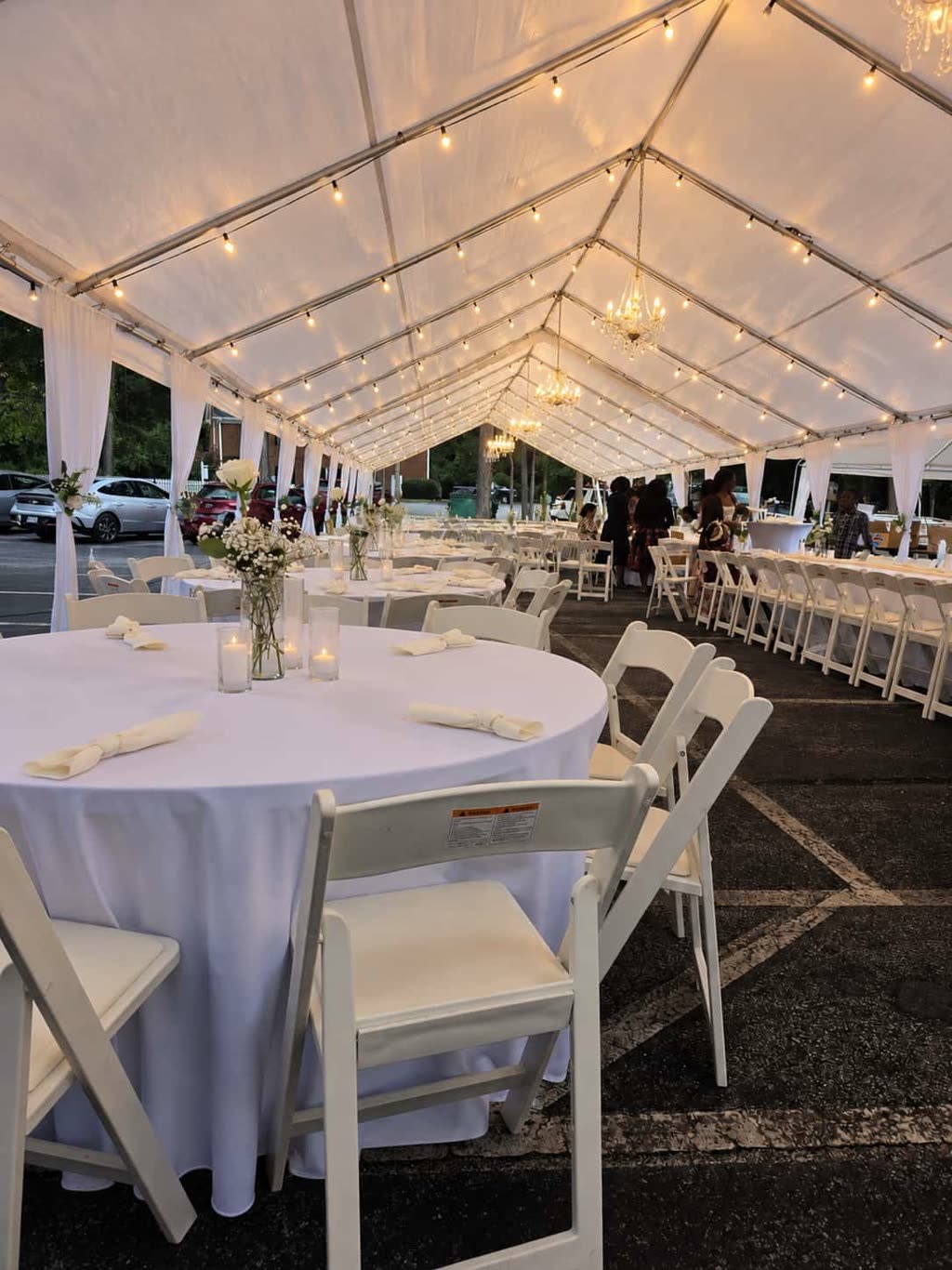
rain preparedness – sidewalls, drainage, and quick‑cover solutions
Rain can arrive suddenly, especially during spring and summer months in Jackson County. The first line of defense in a weather resilient tent event plan is a set of sidewalls that zip or Velcro onto the tent frame, creating a sealed barrier against wind‑driven water. Choose sidewalls made from coated polyester that resists water penetration while still allowing airflow when needed. Pair these with a groundsheet or tarp under the tent floor to stop moisture from seeping up through the soil, keeping the interior dry and comfortable for guests.
Beyond sidewalls, assess the site’s natural drainage. If the backyard slopes toward a low point, consider laying a shallow gravel trench or using sandbags to redirect water away from the tent perimeter. Have a few extra sandbags on hand to quickly reinforce any area where water begins to pool. In the event of a heavy downpour, a quick‑cover canopy—an additional smaller tent or a pop‑up shelter—can be placed over the food or gift table to keep those items dry while the main event continues under the reinforced sidewall system.
heat management – shade, ventilation, and cooling strategies
High temperatures and direct sun can make a tent feel like a greenhouse, especially during midday festivals. A weather resilient tent event plan incorporates reflective or light‑colored tent fabrics that bounce solar radiation rather than absorb it. Adding a layer of shade cloth over the roof reduces interior temperature by several degrees without blocking airflow. For events that run into the afternoon, consider installing vent flaps near the peak of the tent; these allow hot air to escape while drawing in cooler breezes from the sides.
Supplemental cooling can come from high‑velocity fans positioned at the tent openings, pushing air through the space and creating a gentle breeze. Place water stations or misting fans near guest gathering points to provide immediate relief. Schedule high‑energy activities, such as games or performances, for the cooler early morning or late evening slots, and reserve the peak heat period for seated dining or shaded lounging. This layered approach keeps the environment comfortable without relying on mechanical air conditioning, which would be impractical for an outdoor setup.

wind resistance – anchoring, staking, and structural checks
Strong gusts can challenge even the most robust tent, making anchoring a critical piece of any weather resilient tent event plan. For grass surfaces, use long steel stakes driven at a 45‑degree angle away from the tent wall, ensuring maximum holding power. If the soil is sandy or loose, increase the number of stakes and add sandbags or water‑filled weights at each corner and along the sidewalls. For concrete or packed dirt bases, employ weighted plates or sandbags that sit flush against the frame, providing the necessary resistance without damaging the surface.
Before the event begins, perform a tension check on all ropes, ratchets, and bungee cords. Walk the perimeter and verify that each anchoring point is snug but not overstretched, which could cause material fatigue. Keep a portable weather radio or smartphone alert active to monitor wind gusts in real time; if sustained winds exceed the manufacturer’s rated limit, be prepared to add additional sidewalls or lower the tent height slightly to reduce the sail effect. These precautions keep the structure stable and safe for guests throughout the celebration.
coordinating setup and teardown timelines for festivals
Timing is everything when weather can shift quickly. A weather resilient tent event plan includes a detailed hour‑by‑hour schedule that buffers each phase for unexpected conditions. Begin with a delivery window that arrives at least two hours before the scheduled start, allowing the crew to unload, inspect, and position all components. Use the first hour to lay down ground protection, stake the tent frame, and raise the canopy. The second hour is reserved for installing sidewalls, lighting, flooring, and any décor elements, with a final walk‑through to confirm everything is secure.
After the event, allocate a similar buffer for teardown. Start by removing décor and lighting, then collapse the frame while keeping sidewalls attached until the very last moment to protect against any late‑day rain. Load equipment onto the truck in reverse order of delivery, checking that all stakes, sandbags, and accessories are accounted for. Communicate the timeline clearly to the client, emphasizing that the extra time is built in to safeguard the investment and ensure a smooth experience regardless of weather fluctuations.
local landmarks and logistics – Old Pendergrass Road, Traditions of Braselton, Jefferson High School Area
Jefferson’s festival venues often sit in residential pockets that are easy to reach from our Pendergrass warehouse but require careful navigation. Properties off Old Pendergrass Road typically have wide driveways that accommodate a box truck, while the Traditions of Braselton subdivision features gated entrances where prior coordination with the homeowners’ association is necessary for after‑hours access. Neighborhoods surrounding Jefferson High School often have street parking restrictions on game days, so securing a loading zone permit from the city may be required for larger equipment.
Drive time from the warehouse to these locations averages ten minutes under normal conditions, but factor in additional time for school‑zone traffic during drop‑off and pick‑up hours. When planning the route, note any low‑clearance bridges or narrow streets that could impede a tall trailer. Provide the client with a clear map showing the recommended entry point, the staging area for the truck, and the exact spot where the tent will be erected. This level of logistical detail prevents delays and keeps the setup crew focused on building a weather resilient tent event plan rather than troubleshooting access issues.
final checklist and communication – ensuring your weather resilient tent event plan works
Before the guest list is finalized, run through a concise checklist that covers every weather‑resilient element. Confirm that sidewalls are installed and zipped securely, that all anchoring points meet the required load rating, and that ventilation flaps are operational. Verify that lighting is rated for outdoor use and that any electrical cords are protected from foot traffic with suitable covers. Double‑check that the groundsheet is smooth and free of wrinkles that could collect water, and that the tent fabric is clean and free of tears.
After the event, send a brief follow‑up message thanking the client and asking for feedback on how the weather adaptations performed. Use that information to refine future weather resilient tent event plans, noting any adjustments that could improve sidewall ease of use or anchoring speed. Maintaining open communication builds trust and shows that you are committed to delivering a safe, comfortable, and enjoyable festival experience, no matter what the sky does.